
An SSDI overpayment dispute is a formal challenge to the Social Security Administration's claim that you received more disability benefits than you were entitled to. The role of a lawyer in an SSDI overpayment dispute is to protect your benefits, meet strict SSA deadlines, and build the strongest possible case for appeal or waiver. Without legal representation, automated SSA recovery processes can begin withholding your benefits before you fully understand what happened. Attorneys who specialize in SSDI legal representation know exactly where the system's pressure points are, and they use that knowledge to defend you.
What does a lawyer do in an SSDI overpayment dispute?
Attorneys perform several specific, time-sensitive functions in these cases. Each one directly affects whether you keep your benefits or face collection.
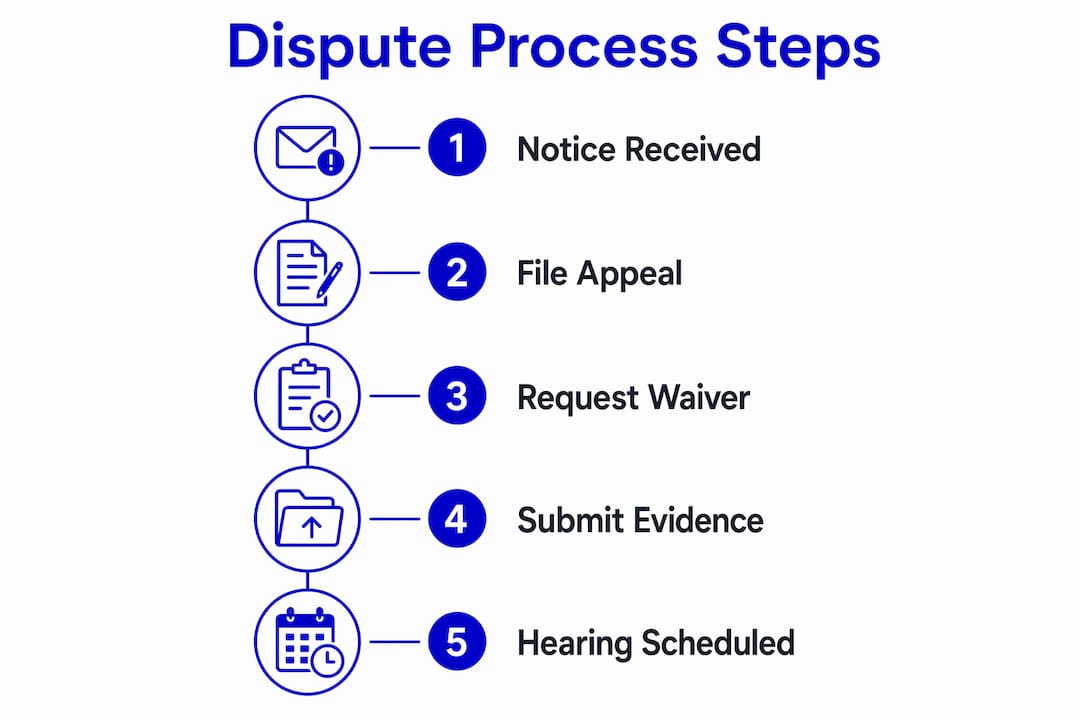
- File for reconsideration on time. Recipients must file within 65 days of the Notice of Overpayment. Filing within 30 days pauses automatic benefit withholding. Missing that 30-day window means SSA can start deducting from your check immediately.
- Request a waiver. A waiver asks SSA to forgive the debt entirely. Lawyers document your financial hardship and demonstrate you were not at fault for the overpayment. Both conditions must be met for SSA to grant a waiver.
- Challenge the overpayment amount. Lawyers review SSA's calculation and identify errors. Overpayment notices frequently contain math errors or misapplied income rules that attorneys catch and correct.
- Negotiate repayment plans. When full waiver is not possible, attorneys negotiate reduced monthly repayment schedules that do not leave you unable to cover basic living expenses.
- Manage all SSA communications. Lawyers handle written correspondence, respond to SSA requests for documentation, and keep a paper trail that protects you if the case escalates.
- Identify statutory exemptions. Legal counsel uncovers exemptions and time limits that claimants would never find on their own, which can stop SSA recovery efforts entirely.
Pro Tip: Request a copy of your complete SSA file the moment you receive an overpayment notice. Your attorney needs this to identify errors before any deadline passes.
Tracking deadlines is the single most critical function an attorney performs. SSA's system is automated and does not pause for confusion or personal hardship. A lawyer treats every deadline as non-negotiable.
How does hiring a lawyer affect the appeals and waiver process?
Legal representation changes the outcome of SSDI overpayment appeals in concrete, measurable ways. Attorneys do not just file paperwork. They shape how SSA evaluates your case.
- Dual filing protects you on two fronts. Simultaneously filing both an appeal and a waiver challenges the debt's existence while also requesting forgiveness. This approach covers all legal bases and prevents SSA from closing one door while you focus on the other.
- Lawyers shift the burden of fault. "Fault" in overpayments is a legal standard, not a common-sense judgment. Attorneys frame your actions to show you acted in good faith, which moves the burden of proof toward SSA rather than leaving it on you.
- Attorneys prevent wrongful withholding. Filing within 30 days pauses collections, but administrative lags can still cause temporary withholding. Lawyers maintain proof of timely filing and use it to force a manual stop on collections.
- Document preparation meets evidentiary standards. SSA requires specific forms of evidence for hardship claims. Attorneys know which financial records, medical documents, and personal statements carry weight in these proceedings.
- Errors in claimant submissions drop sharply. Unrepresented claimants frequently submit incomplete forms or miss supporting documents. A lawyer reviews every submission before it reaches SSA, reducing the chance of denial on procedural grounds.
The benefits of hiring a disability attorney extend well beyond the initial filing. Representation creates a documented, defensible record that supports every stage of the dispute.
What legal options exist if SSA refuses to waive the overpayment?
SSA denying your initial appeal or waiver request is not the end of the road. Attorneys have several additional avenues available, each requiring specific preparation and legal knowledge.
- Administrative Law Judge (ALJ) hearing. You can request a hearing before an ALJ if SSA denies your reconsideration. This is a formal proceeding where your attorney presents evidence, questions witnesses, and argues your case directly before a judge.
- Appeals Council review. If the ALJ rules against you, your attorney can appeal to the SSA Appeals Council. The Council reviews whether the ALJ applied the law correctly, not whether they agreed with the facts.
- Federal Court. If the Appeals Council denies review, attorneys can file suit in U.S. District Court. Federal litigation is rare in overpayment cases but available when the legal error is significant.
- Repayment negotiation at any stage. Even during appeals, attorneys negotiate alternative repayment schedules. SSA generally prefers a structured repayment agreement over prolonged litigation.
"Lawyers identify statutory exemptions and time limitations invisible to claimants, enabling them to stop SSA recovery efforts effectively." — SJKP Law Firm
Preparing for an ALJ hearing requires detailed documentation of financial hardship, a clear timeline of your reporting to SSA, and evidence that you acted in good faith throughout. Attorneys build this record from the first day of representation, not just before the hearing date. The SSDI appeals process has multiple stages, and having counsel at each one significantly affects your chances of a favorable outcome.
Common misconceptions about legal help in overpayment cases
Several widely held beliefs about SSDI overpayment disputes cause claimants to delay getting help or avoid it entirely. Each one is worth correcting directly.
Misconception 1: Lawyers only help with SSDI approvals. Attorneys handle the full spectrum of SSDI legal issues, including overpayment disputes, waiver requests, and repayment negotiations. Overpayment cases are a distinct and significant part of disability law practice.
Misconception 2: The government provides a lawyer for overpayment cases. No government attorneys are provided in overpayment appeals. This differs from criminal proceedings. Private counsel is the primary recourse, and most disability attorneys work on contingency.
Misconception 3: Filing an appeal automatically stops collections. Filing does not guarantee an immediate stop. Administrative lags mean temporary withholding can still occur even after a timely filing. Attorneys maintain proof of submission and use it to force SSA to halt collections manually.
Misconception 4: "No win, no fee" arrangements are rare. Most claimants hire private lawyers on contingency, meaning you pay nothing unless your attorney wins. This structure makes legal representation accessible regardless of your current financial situation. You can learn more about how contingency fee arrangements work before committing to representation.
Misconception 5: "Fault" means you knew you were overpaid. Many claimants wrongly assume fault requires intentional wrongdoing. Lawyers frame claimant actions to avoid bad faith findings, showing SSA that you reported accurately and relied on their payment calculations in good faith.
Pro Tip: If you receive an overpayment notice and cannot afford an attorney upfront, ask specifically about contingency arrangements. Most SSDI overpayment lawyers offer them.
Key Takeaways
An attorney's most critical function in an SSDI overpayment dispute is filing both an appeal and a waiver simultaneously, meeting the 30-day deadline to pause withholding, and shifting the legal burden of fault away from the claimant.
| Point | Details |
|---|---|
| Meet the 30-day deadline | Filing within 30 days of the overpayment notice pauses automatic benefit withholding. |
| File both appeal and waiver | Dual filing challenges the debt and seeks forgiveness at the same time, covering all legal options. |
| Fault is a legal standard | Lawyers reframe your actions to show good faith, shifting the burden toward SSA rather than the claimant. |
| No government lawyers provided | Private attorneys, usually on contingency, are the only legal recourse in overpayment disputes. |
| Further appeals remain available | ALJ hearings, Appeals Council review, and Federal Court are all options if SSA denies initial requests. |
Why I think claimants wait too long to call an attorney
Most people I have seen in overpayment situations make the same mistake. They read the notice, feel certain it is wrong, and spend weeks gathering documents on their own before calling anyone. By the time they contact an attorney, the 30-day window to pause withholding has already closed. SSA has started deducting from their monthly check, and now the attorney is fighting to recover money that should never have been withheld in the first place.
The SSA's automated recovery system does not care about your circumstances. It runs on rules and timelines, and it will execute collections the moment it is legally permitted to do so. The only thing that interrupts that process is a properly filed, timely legal response. Attorneys know this. Claimants generally do not, and that gap costs people real money.
The dual filing strategy, filing both an appeal and a waiver at the same time, is the clearest example of why legal expertise matters here. Most claimants pick one or the other because they assume they have to choose. An attorney files both on day one, which means you are challenging the debt's existence while simultaneously asking for forgiveness if the debt turns out to be valid. That is not intuitive. It is legal strategy, and it is exactly what working with an SSDI attorney provides.
The $1.2 billion in annual legal fees in disability adjudication reflects how complex and high-stakes these cases are. That figure tells you this is not a system designed for self-representation. Call an attorney the day the notice arrives.
— Gerard
Ssdilawyer connects you with SSDI overpayment attorneys
Facing an SSA overpayment notice without legal help puts your benefits at immediate risk. Ssdilawyer connects you with experienced SSDI overpayment attorneys who know the deadlines, the waiver criteria, and the appeal procedures that determine your outcome.
Attorneys in the Ssdilawyer network work on contingency, meaning you pay nothing unless your case succeeds. Whether you need to file an appeal, request a waiver, or prepare for an ALJ hearing, the right attorney makes a direct difference in what SSA ultimately collects. Visit Ssdilawyer to connect with a qualified SSDI overpayment lawyer and get a clear picture of your legal options before another deadline passes.
FAQ
What is the deadline to dispute an SSDI overpayment?
Recipients have 65 days from the Notice of Overpayment to file for reconsideration. Filing within the first 30 days pauses automatic benefit withholding.
Can a lawyer get an SSDI overpayment waived entirely?
Yes. Attorneys request waivers by documenting financial hardship and demonstrating the claimant was not at fault. SSA grants full waivers when both conditions are satisfied.
Does filing an appeal stop SSA from collecting?
Not automatically. Administrative lags can cause temporary withholding even after a timely filing. Attorneys use proof of submission to force SSA to stop collections manually.
Do I need to pay a lawyer upfront for an overpayment dispute?
No. Most SSDI overpayment attorneys work on contingency, meaning you pay nothing unless they win your case.
What happens if SSA denies my waiver and appeal?
Your attorney can request a hearing before an Administrative Law Judge, escalate to the SSA Appeals Council, or file in Federal Court if the legal error is significant enough to warrant it.