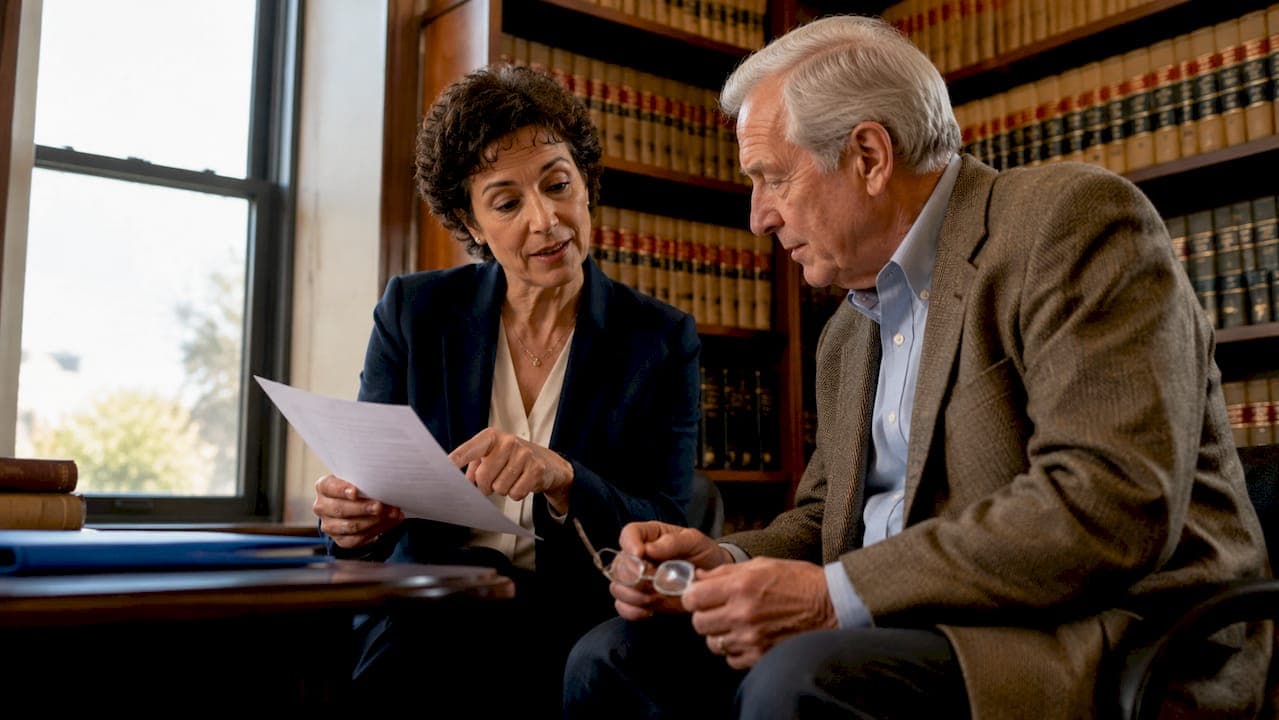
Disability attorneys specialize in four primary case categories: Social Security Disability Insurance (SSDI), Supplemental Security Income (SSI), private disability insurance claims, and Department of Veterans Affairs (VA) disability compensation. Understanding the types of cases disability attorneys handle matters because each program operates under different rules, evidence standards, and appeal procedures. Attorneys manage everything from initial applications to federal court appeals, and their involvement directly affects approval rates. With roughly 60% of initial SSDI claims denied, knowing which case type applies to your situation is the first step toward getting the benefits you deserve.
1. What types of Social Security disability cases do attorneys handle?
SSDI and SSI are the two federal programs that make up the largest share of disability claims handled by attorneys. Both are administered by the Social Security Administration (SSA), but they serve different populations with different eligibility rules.
SSDI vs. SSI: the key difference

SSDI is based on your work history and the Social Security taxes you paid. SSI is a needs-based program for individuals with limited income and resources, regardless of work history. Attorneys handle both, but the documentation and eligibility arguments differ significantly between the two.
What attorneys do at each stage:
- Initial application: Attorneys gather medical records, work history documentation, and physician statements to build the strongest possible file from day one.
- Reconsideration: If the SSA denies the initial claim, attorneys file a formal reconsideration request with additional supporting evidence.
- ALJ hearing: An Administrative Law Judge (ALJ) hearing is where attorney representation matters most. Represented claimants are up to three times more likely to win at this stage than those who appear alone.
- Appeals Council and federal court: If the ALJ rules against the claimant, attorneys can escalate to the SSA Appeals Council or file suit in federal district court.
Most disability appeals are resolved at the ALJ hearing stage. That single fact explains why hiring an attorney before the hearing is a practical priority, not just a precaution.
Pro Tip: Request your SSA file as soon as you receive a denial. Attorneys use this file to identify gaps in the record before the ALJ hearing, and early access gives them more time to fill those gaps.
Federal law caps SSDI attorney fees at 25% of back pay or $9,200, whichever is less. Most attorneys work on contingency, meaning you pay nothing unless you win.
2. How disability attorneys handle private insurance claims
Private disability insurance includes both short-term disability (STD) and long-term disability (LTD) policies, typically provided through employers or purchased individually. These common disability case types are governed by different rules than federal programs, and the legal complexity is often higher.
Why private insurance cases are harder
Most employer-sponsored disability policies fall under the Employee Retirement Income Security Act (ERISA). ERISA limits the remedies available to claimants and requires strict adherence to internal appeal deadlines. Missing a deadline under ERISA can permanently bar you from pursuing a claim in court.
Private insurers also use tactics that federal agencies do not. Surveillance, independent medical examinations, and selective review of medical records are standard practice. Attorneys counter these tactics by controlling the medical evidence submitted and preparing clients for insurer-ordered evaluations.
Key attorney tasks in private insurance cases:
- Reviewing the policy language to identify covered conditions and exclusions
- Submitting initial claims with complete medical documentation
- Responding to insurer requests for additional information
- Filing internal appeals within ERISA deadlines
- Pursuing litigation when internal appeals fail
Private disability insurance claims also include offset provisions. If you receive SSDI benefits, your private insurer may reduce your LTD payment by the SSDI amount. Attorneys must account for this interaction when calculating total benefit exposure and negotiating settlements.
Pro Tip: Never submit a private disability claim without reviewing the policy definition of "disability." Some policies use an "own occupation" standard for the first two years, then switch to an "any occupation" standard. Attorneys identify this shift and prepare evidence accordingly.
Fee structures for private insurance cases differ from SSDI. Some attorneys charge contingency fees, others bill hourly, and some use a hybrid arrangement depending on state law and policy type.
3. What VA disability compensation cases look like
VA disability compensation is available to veterans whose injuries or illnesses are connected to their military service. Attorneys who handle VA cases work within a separate administrative system with its own rating schedule, evidence standards, and appeal process.
How the VA system works
The VA assigns a disability rating from 0% to 100% in 10% increments. This rating determines the monthly compensation amount. Attorneys help veterans document the service connection between their condition and their military service, which is the central legal question in most VA claims.
| VA claim stage | Attorney role |
|---|---|
| Initial claim filing | Gather service records, medical evidence, and nexus letters |
| Rating decision review | Analyze rating accuracy and identify underrated conditions |
| Supplemental claim | Submit new and relevant evidence to support a higher rating |
| Board of Veterans' Appeals | Represent veteran at hearing or in written submissions |
| Court of Appeals for Veterans Claims | File legal briefs challenging Board decisions |
VA claim processing has improved significantly. Processing time averaged 78.6 days as of June 2026, down more than 40% from early 2025, with accuracy above 94%. That speed is encouraging, but accuracy at the initial stage does not eliminate the need for legal review. A technically accurate decision can still underrate a condition or miss a secondary service connection.
Veterans who receive VA compensation may also qualify for SSDI. Attorneys who handle both programs help veterans coordinate benefits and avoid offset traps.
4. Workers' compensation and disability discrimination cases
Disability attorneys also manage legal issues for disabilities that fall outside the federal benefit programs. Two of the most common are workers' compensation claims and disability discrimination matters.
Workers' compensation overlap
Workers' compensation covers injuries and illnesses that occur on the job. When a workplace injury results in a long-term disability, attorneys often handle both the workers' comp claim and the SSDI application simultaneously. This matters because workers' comp payments can offset SSDI benefits under SSA rules. Attorneys structure settlements to minimize that offset and preserve the maximum total benefit.
If your workers' comp claim was denied, an attorney can appeal the decision through the state workers' compensation board and pursue parallel federal disability claims where applicable.
Disability discrimination
The Americans with Disabilities Act (ADA) and the Rehabilitation Act prohibit discrimination against qualified individuals with disabilities in employment, public accommodations, and federally funded programs. Attorneys handling disability discrimination claims pursue cases involving wrongful termination, failure to provide reasonable accommodations, and hostile work environments.
These cases are distinct from benefit claims. The legal standard, evidence requirements, and remedies are different. Attorneys who specialize in ADA matters focus on employment records, accommodation request documentation, and employer communications rather than medical evidence of functional limitations.
Other case types disability attorneys manage:
- Social Security Continuing Disability Reviews (CDRs), where the SSA verifies ongoing eligibility for existing beneficiaries
- Overpayment disputes with the SSA
- Medicaid and Medicare eligibility issues connected to disability status
- State-level disability benefit programs
5. How attorney fees and hiring timing affect outcomes
The timing of when you hire a disability attorney directly affects your approval odds. Approximately 60% of initial SSDI claims are denied. Attorneys who enter a case at the application stage build a stronger record from the start, reducing the likelihood of denial and shortening the overall timeline.
When to hire an attorney:
- Before filing the initial application. Attorneys identify the correct onset date, gather the right medical evidence, and avoid common filing errors that trigger automatic denials.
- After a first denial. The reconsideration stage is the first formal appeal. Attorney involvement here improves the quality of the submission.
- Before the ALJ hearing. This is the highest-value intervention point. Attorneys prepare testimony, cross-examine vocational experts, and present medical evidence in the format ALJs expect.
- After an unfavorable ALJ decision. Appeals Council and federal court options remain available, though success rates drop at these stages.
Fee structures at a glance:
- SSDI/SSI: Contingency only. Federal law caps fees at 25% of back pay or $9,200, whichever is less. No upfront cost.
- VA claims: Attorneys may charge contingency fees after a final denial. Fees are regulated by the VA.
- Private insurance: Contingency or hourly, depending on the case and state law.
Pro Tip: Ask any disability attorney you consult whether they specialize in your specific case type. An attorney who focuses on SSDI may not have the ERISA litigation experience needed for a complex LTD case.
The benefits of hiring a disability attorney extend beyond paperwork. Attorneys build case strategy, identify weaknesses before the SSA or an insurer does, and present evidence in the format that decision-makers expect.
Key takeaways
Disability attorneys handle four primary case types, and the program you are claiming under determines the legal strategy, evidence standards, and fee structure that apply.
| Point | Details |
|---|---|
| Four core case types | SSDI, SSI, private disability insurance, and VA compensation each require distinct legal approaches. |
| ALJ hearings are critical | Represented claimants are up to three times more likely to win at the ALJ stage than unrepresented claimants. |
| Hire early, not just after denial | Attorneys who enter at the application stage build stronger records and reduce overall claim timelines. |
| Fee caps protect SSDI claimants | Federal law limits SSDI attorney fees to 25% of back pay or $9,200, whichever is less. |
| Private insurance adds complexity | ERISA rules, offset provisions, and insurer tactics make LTD cases more legally demanding than federal claims. |
What I've learned about disability attorney involvement after years in this space
The most consistent mistake I see is claimants treating attorney involvement as a last resort. They file alone, get denied, file alone again, get denied again, and only call an attorney when the ALJ hearing is weeks away. By that point, the record is already built, and not always well.
The attorneys who get the best outcomes are the ones who control the medical evidence from the beginning. They know which treating physicians write persuasive RFC (Residual Functional Capacity) forms. They know which vocational expert arguments ALJs find credible. They know how to frame a claimant's limitations in the specific language the SSA uses to evaluate work capacity.
I've also seen claimants assume that any disability attorney can handle any disability case. That is not accurate. SSDI and SSI work is procedurally different from ERISA litigation. VA claims require knowledge of the rating schedule and service connection standards that most SSDI attorneys do not have. Choosing an attorney who specializes in your specific case type is not a preference. It is a practical requirement.
The attorney's role in SSDI onset date claims is one example of how granular this work gets. The onset date determines how much back pay you receive. Getting it wrong costs claimants real money, and it is a detail that non-specialists routinely miss.
The bottom line: disability law is not one practice area. It is several, and the attorneys who treat it that way get better results.
— Gerard
How Ssdilawyer connects you with the right disability attorney
Ssdilawyer connects individuals with experienced disability attorneys who handle SSDI, SSI, VA compensation, and private insurance claims. The process starts with understanding your specific case type, because the right attorney for an SSDI appeal is not always the right attorney for an ERISA dispute. Ssdilawyer's network covers the full range of common disability claims, from initial applications to federal court appeals. Most SSDI and SSI cases are handled on contingency, meaning no fees unless you win. If you are researching your options or facing a denial, start with a free consultation to identify which case type applies and which attorney is the right fit.
FAQ
What types of cases do disability attorneys handle most often?
Disability attorneys most frequently handle SSDI and SSI claims, including initial applications, reconsideration appeals, and ALJ hearings. Private disability insurance and VA compensation claims are also common disability case types.
Can one attorney handle both SSDI and VA disability claims?
Some attorneys handle both, but SSDI and VA claims operate under different legal standards and evidence requirements. Verify that any attorney you hire has direct experience with the specific program you are claiming under.
How much does a disability attorney cost for an SSDI case?
Federal law caps SSDI attorney fees at 25% of back pay or $9,200, whichever is less, and attorneys work on contingency. You pay nothing upfront and nothing if you do not win.
When should I hire a disability attorney?
Hire an attorney before filing your initial claim if possible. Early involvement allows attorneys to build a stronger medical record and avoid errors that lead to automatic denials.
What is an ALJ hearing in a disability case?
An ALJ hearing is an administrative proceeding before a Social Security Administrative Law Judge. It is the most important stage in the SSDI and SSI appeals process, and legal representation at this stage increases approval odds by up to threefold.