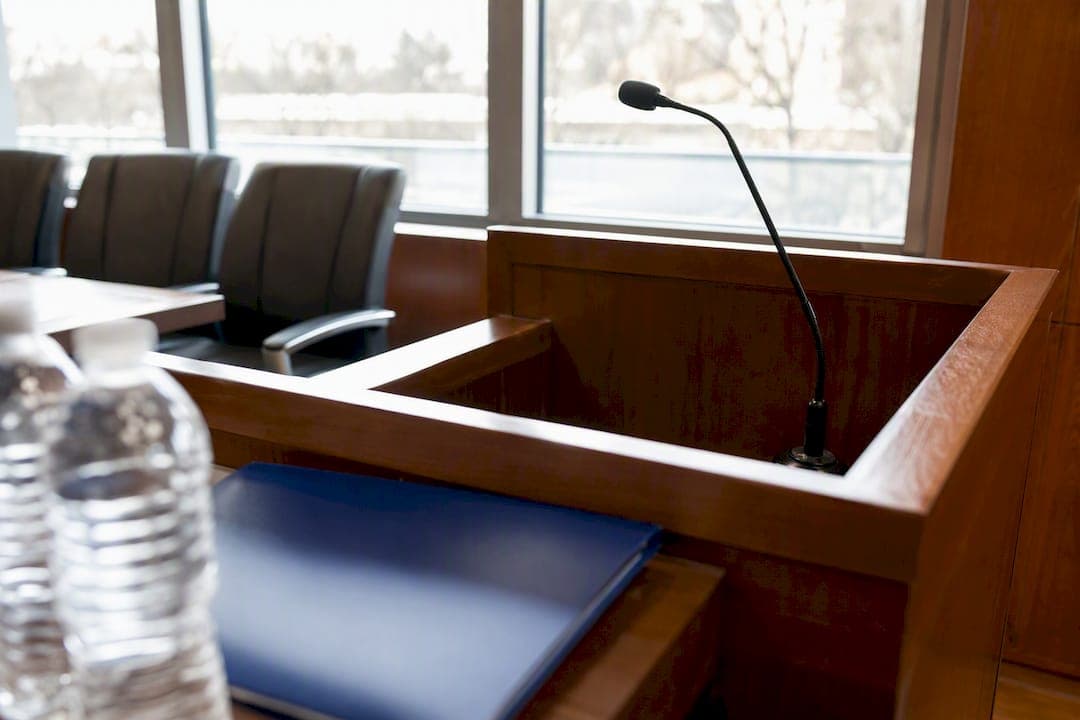
An ALJ hearing is a formal proceeding where an independent Administrative Law Judge reviews the Social Security Administration's earlier decision to deny your disability claim. The ALJ can put you under oath, take testimony, question expert witnesses, and issue findings of fact and law based on everything in your case record.
Here's the takeaway that matters most: this hearing is usually your best chance to change the outcome of an SSD or SSI claim. Unlike the paperwork-only stages before it, you get to speak, present new evidence, and respond directly to the judge's questions.
A few things to know going in:
- The hearing is audio recorded, not just summarized in notes.
- Medical and vocational experts often testify, and you or your representative can question them.
- You can appeal the ALJ's decision further if it doesn't go your way.
Key Takeaways
An ALJ hearing gives SSD and SSI claimants their strongest opportunity to present live testimony and evidence directly to the person deciding their case.
| Point | Details |
|---|---|
| Request within 60 days | File your hearing request within 60 days of SSA's prior decision or you'll need to prove good cause for the delay. |
| Watch the 75-day notice | SSA sends hearing notice 75 days ahead; Form HA-510 can waive that wait for an earlier date. |
| Submit evidence early | Written evidence must reach the hearing office at least five business days before your hearing. |
| Know the hearing flow | Expect an oath, your testimony, witness and expert testimony, and questioning before a closing statement. |
| Get matched with counsel | Ssdilawyer connects claimants with disability attorneys experienced in ALJ hearings and appeal preparation. |
Table of Contents
- Who Can Request an ALJ Hearing and When to File
- How to Prepare Before Your ALJ Hearing
- What Happens at the ALJ Hearing, Step by Step
- What Happens After the ALJ Hearing
- How a Disability Attorney Helps at Your Hearing
- Frequently Asked Questions
- Sources
Who Can Request an ALJ Hearing and When to File
You can request a hearing if you're the claimant or another party affected by SSA's decision, such as an eligible spouse in an SSI case. A representative, attorney or non-attorney, can also file on your behalf once properly appointed.
The clock starts the moment you receive SSA's prior decision. You generally have a limited time from that date to request a hearing, and SSA's hearing process guidance treats this deadline seriously. Miss it, and you'll need to show "good cause" for the delay, which is not guaranteed to work in your favor. Extensions exist, but they're the exception, not the plan.
Filing itself is straightforward. You submit a written request, either through your online Social Security account, by mail, or in person at a field office, and the hearing office takes it from there, assigning your case to an available ALJ and hearing office.
By the numbers: SSA sends its official Notice of Hearing well in advance before your scheduled date, giving you time to prepare, gather records, and arrange representation.
If you want your hearing scheduled sooner, you can file Form HA-510 to waive that 75-day notice period. This can shave real time off your wait, but you still have to meet every evidence deadline regardless of how early the hearing lands.
Pro Tip: Update your contact information with SSA the moment it changes, and check your case status through your my Social Security account regularly. A missed notice because of an old address is not a good-cause excuse SSA will accept.
Who requests hearings and how they file rarely changes across appeal types. The SSA's POMS guidance on requesting a hearing applies whether you're appealing a disability denial or a non-medical determination like an overpayment.
How to Prepare Before Your ALJ Hearing
Preparation is where cases get won or lost long before anyone sits down in front of a judge. The record you build in the weeks leading up to your hearing is the record the ALJ will actually decide on.
Start with the evidence. Gather every relevant medical record, updated imaging or lab results, statements from treating physicians describing your functional limitations, and any residual functional capacity (RFC) assessments. If your daily activities have narrowed because of your condition, written statements from family members or former coworkers can round out the picture SSA has on paper.
Timing on evidence is not flexible. SSA requires that written evidence be submitted, or the hearing office at least informed of it, no later than five business days before your hearing date. Evidence that shows up late can be excluded from the record entirely unless you can show good cause, so don't sit on a new MRI report or a specialist's letter until the week of your hearing.
A pre-hearing checklist worth following:
- Request complete records from every treating provider, not just the most recent ones.
- Confirm your appearance method (in person, video, or phone) with the hearing office ahead of time.
- Arrange an interpreter or accommodation for mobility needs well before the notice deadline.
- Draft a plain-language summary of how your condition limits a typical workday.
- Identify any witnesses who can speak to changes in your functioning.
You'll also want to think about who's going to speak for you, if anyone. A pre-hearing conference sometimes happens beforehand to clarify issues, narrow the medical record, or address procedural questions before the actual hearing date. Attorneys and non-attorney representatives can both appear on your behalf, though they bring different scopes of practice and fee structures to the table.
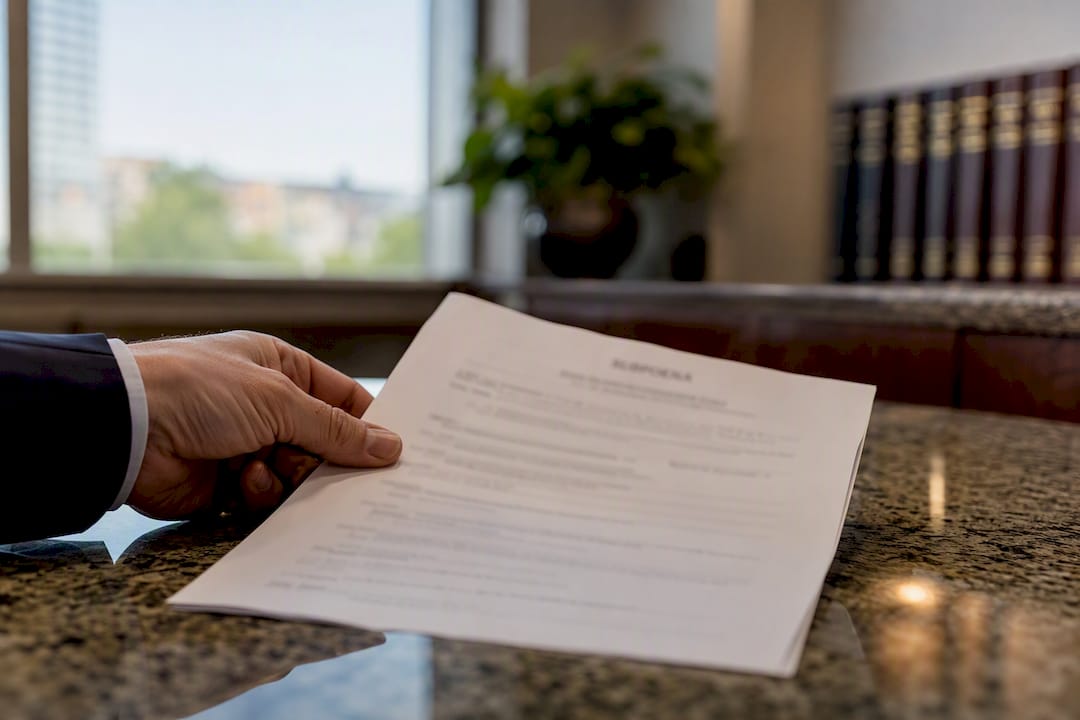
Medical experts (ME) and vocational experts (VE) frequently testify at disability hearings. If you or your representative believe a specific witness needs to appear and won't come voluntarily, the ALJ has subpoena authority to compel testimony or documents, though that power has limits and isn't used casually.
Pro Tip: If your hearing office is badly backlogged, weigh whether waiving the 75-day notice with Form HA-510 makes sense for you. It can move your date up substantially, but only pursue it once your medical evidence is genuinely complete.
What Happens at the ALJ Hearing, Step by Step
Disability hearings follow a fairly predictable sequence, even though the tone is far less formal than a courtroom trial.
- Opening and introductions. The ALJ explains the process, identifies everyone present, and confirms the exhibits already in the record.
- Oath or affirmation. You and any witnesses are sworn in before testimony begins.
- Claimant testimony. You describe your medical history, symptoms, daily limitations, and work history, usually guided by the ALJ's questions first.
- Witness testimony. Family members, former supervisors, or others you've identified may testify to what they've observed.
- Expert testimony. Medical and vocational experts explain the medical record or discuss what jobs, if any, someone with your limitations could perform.
- Questioning by your representative. Your attorney or representative can cross-examine experts and clarify your testimony.
- Closing statement. Your representative (or you) summarizes why the record supports a favorable decision.
Everyone in the room has a defined role. The ALJ runs the proceeding and actively directs questioning to look fully into the issues rather than simply listening to arguments, which is one real difference from adversarial court trials. Your representative advocates for you and challenges expert conclusions that don't match your medical record. The vocational expert typically testifies about what jobs exist in the national economy given your limitations, and you or your representative can question that testimony directly.
You'll also choose, or be assigned, a hearing format: in person at the hearing office, by video-teleconference (VTC), or by telephone. Each option has trade-offs. VTC can shorten wait times but feels less personal; in-person hearings let the ALJ see you directly but may mean more travel and longer scheduling delays depending on your local office.
A few practical notes worth remembering:
- Hearings are audio recorded, and you can request a transcript afterward if you need it for an appeal or your own records.
- Speak clearly and stick to what you actually experience. Don't guess at medical terminology or speculate about things outside your firsthand knowledge.
- Avoid volunteering information you weren't asked about. Answer the question in front of you.
- New evidence can still be admitted at the hearing itself if it meets SSA's admissibility standards, which are notably more flexible than the rules of evidence used in civil court.
What Happens After the ALJ Hearing
Decisions rarely arrive on the same day. Most claimants wait weeks to a few months for the ALJ's written decision, which lays out findings of fact, conclusions of law, and, in disability cases, a residual functional capacity determination explaining what kind of work, if any, the judge believes you can still perform.
If the decision goes against you, your options don't end there.
- Request Appeals Council review. You can ask the Appeals Council to review the ALJ's decision, though it isn't required to grant that review and often denies requests that don't identify a clear legal or procedural error.
- File suit in federal district court. If the Appeals Council declines review or upholds the denial, federal court becomes the next available step.
- Address procedural issues directly. If you believe the ALJ made a factual or procedural mistake, your representative can raise that specifically in the Appeals Council request rather than relitigating the whole case.
A favorable decision changes more than your immediate benefit status. It can also set your award's onset date, which affects how much back pay you receive going back to your original application or alleged onset date.
While you wait, keep your address and contact information current, notify SSA promptly of any medical or work changes, and request your hearing transcript if you're considering further appeal. None of that takes much effort, but skipping it can quietly complicate a case that otherwise would have gone smoothly.
How a Disability Attorney Helps at Your Hearing
Attorneys and non-attorney representatives handle the parts of a hearing that are easy to get wrong under pressure: organizing years of medical records into a coherent narrative, preparing you for the kinds of questions an ALJ typically asks, and cross-examining a vocational expert whose testimony could sink an otherwise strong claim.

Representation tends to matter most when your medical record is complicated, your work history includes gaps or inconsistent job titles, or your case is likely to hinge on vocational expert testimony about available jobs. Those are exactly the moments where someone who's handled dozens of hearings can spot a weak point in the file before the judge does.
If you're evaluating a prospective attorney, ask direct questions:
- How many ALJ hearings have they handled at your specific hearing office?
- What's their approach to preparing witnesses and organizing medical evidence?
- How is the fee structured, and is it contingent on winning?
- How often will they communicate with you before the hearing date?
Not everyone needs a lawyer to succeed at this stage, but complex cases benefit disproportionately from someone who knows the local hearing office's tendencies and can evaluate a track record honestly before you commit.
Pro Tip: Ask any representative you're considering how many hearings they've done in front of the specific ALJ likely to hear your case, not just how many disability cases they've handled overall. Local familiarity often matters more than raw case volume.
A Practitioner's View on ALJ Hearings
People walk into these hearings expecting a courtroom drama and leave surprised by how procedural it actually feels. That's not a bad thing. The judges I've seen handle these cases are working through a checklist of facts and testimony, not looking for reasons to catch you in a contradiction.
What actually moves the needle is unglamorous: complete medical records, testimony that matches what's already in the file, and representation that's done this specific type of hearing before. Rushing to a hearing date without your evidence locked down almost never pays off.
Pro Tip: Practice describing a bad day, not your best day. ALJs weigh consistency between your testimony and your medical record heavily, and vague or overly optimistic answers tend to work against you.
Getting Matched With a Disability Attorney Through Ssdilawyer
Finding the right representation before your hearing date shouldn't mean cold-calling law firms and hoping one calls back. Ssdilawyer connects claimants directly with disability attorneys who already handle SSDI and SSI appeals, cutting out the guesswork of finding someone with real hearing experience in your area.
Once you submit a short intake form describing your case and where it stands in the appeals process, Ssdilawyer matches you with an attorney suited to your situation, and that attorney reaches out directly to discuss your case. Your information is used only to make that match; it isn't sold or shared beyond what's needed to connect you with representation. If your hearing is approaching and you don't yet have a representative, start your request at Ssdilawyer today and get matched with an attorney who can start preparing your case.
Frequently Asked Questions
What is an ALJ hearing, in simple terms? It's a formal review, run by an independent Administrative Law Judge, of SSA's earlier decision on your disability claim. You testify, present evidence, and the judge issues a written decision afterward.
How long does an ALJ hearing typically last? Most disability hearings run 30 to 60 minutes, though complex cases with multiple experts can take longer.
Can I request a hearing without a lawyer? Yes. Representation isn't required, though many claimants choose an attorney or non-attorney representative given how much preparation and cross-examination affect the outcome.
What if I miss the 60-day deadline to request a hearing? You can still request one, but you'll need to show good cause for the delay, and SSA doesn't guarantee it will accept the explanation.
Will I get a decision the same day as my hearing? No. Written decisions typically take weeks to a few months to arrive after the hearing concludes.
This article is general information, not a substitute for advice from a qualified lawyer. Consult a qualified legal professional about your own circumstances before acting on anything here.
Sources
- SSA's Hearing Process, OHO
- ALJ | Wex | US Law | LII / Legal Information Institute
- POMS: Requesting an ALJ hearing | SSA POMS