
The fastest way to check your SSDI status is to sign in to your my Social Security account and open "Your Benefit Applications." If that account is not set up or accessible, call the Social Security Administration's automated phone system with your filing confirmation number, or dial 1-800-772-1213 (TTY 1-800-325-0778). Have your Social Security number and a photo ID ready before you start either method.
TL;DR:
- Checking your SSDI status online requires signing into your my Social Security account and selecting "Your Benefit Applications" to view "Current Status," where claim stages can vary from initial review to awaiting a hearing.
- Using the automated phone system with your confirmation number is a reliable backup, but losing this number extends the process and may require visiting a local SSA office with proper identification.
- The status fields indicate specific stages such as filing date, claim location, servicing office, hearing date, and decision, which help determine if your claim is progressing or stalled.
- If you encounter access issues, retrieving your saved re-entry number or confirming your identity in person can resolve most problems, while recent documents can be tracked via the Electronic Records Express system.
- Contact an attorney when your claim is denied, stalled beyond normal processing times, or when medical evidence disputes or appeals are needed, with preparation including all key status and medical documentation.
Table of Contents
- How Do I Check My SSDI Status Online With My Social Security?
- How Do I Check SSDI Status by Phone or at a Local Office?
- What Do the SSDI Status Fields Actually Mean?
- What Do I Do if I Can't Access My Account or Finish My Application?
- When Should I Contact a Disability Attorney?
- Organizing Your Claim Tracking
- Get Matched With an SSDI Attorney Through SSDILawyer.co
- Where to Verify These Steps Directly With SSA
- Sources
- FAQ
How Do I Check My SSDI Status Online With My Social Security?
Signing in to your my Social Security account is the most direct route to your SSDI status. The account is the central hub the Social Security Administration built for exactly this purpose, and it works whether you filed weeks ago or you're tracking a pending appeal.
Creating or accessing the account starts with an identity check through Login.gov or ID.me. SSA suggests going with Login.gov if you're not sure which to pick, though either works once you verify your identity with a driver's license, state ID, or passport.
Once you're signed in, the path to your status takes four moves:
- Go to your account home page.
- Select "Your Benefit Applications."
- Choose "View Details" under "More Info" for the relevant claim.
- Open "Current Status" to see where things stand.
The status service can display your date of filing, current claim location, and servicing office. Write these down or screenshot them the first time you see them, especially your claim ID and any re-entry number, because you'll need them again if you ever call SSA or contact an attorney.
Pro Tip: Check your status on a set schedule, like every other Friday, rather than every day. SSDI claims move slower than most people expect, and checking too often just adds stress without new information.
One thing to expect: some stages show more detail than others. A claim still in initial review often displays only basic filing information, while a claim closer to a hearing will show scheduling details once they exist.
How Do I Check SSDI Status by Phone or at a Local Office?
When you can't check online, SSA's automated phone system works as a reliable backup. Say "application status" when prompted, then enter the confirmation number from your original filing.
That confirmation number matters more than most applicants realize. It's the key SSA's phone system uses to pull up your file, so losing it means a longer call with a live representative instead of a quick automated check.
- National number: 1-800-772-1213
- TTY line: 1-800-325-0778
- Hours: weekdays, 8:00 AM to 7:00 PM local time, with automated service often available beyond that
If your case involves a dispute over medical evidence, a missed deadline, or a status that hasn't changed in months, it's worth escalating to a local field office. Bring a photo ID, your Social Security card, and any letters SSA has already sent you.
What Do the SSDI Status Fields Actually Mean?
Your status screen isn't one fixed layout. It changes based on where your claim sits in the process, and the fields SSA displays each tell a different part of the story.
- Date of filing: when SSA officially received your application.
- Current claim location: which office or department currently holds your file.
- Servicing office: the SSA office assigned to process your specific case.
- Hearing date/time: appears only after a hearing has been scheduled, typically following a denial and appeal.
- Re-entry number: assigned to applications started online but not finished.
- Decision: shows once SSA has made a determination on your claim.
A hearing date field with nothing in it doesn't mean your case stalled. It usually means your claim hasn't reached that stage yet, which is normal for a large share of applications still sitting in initial review or reconsideration. If your account shows only a filing date and a claim location, SSA treats that as an expected signal of an earlier administrative step, not a red flag.
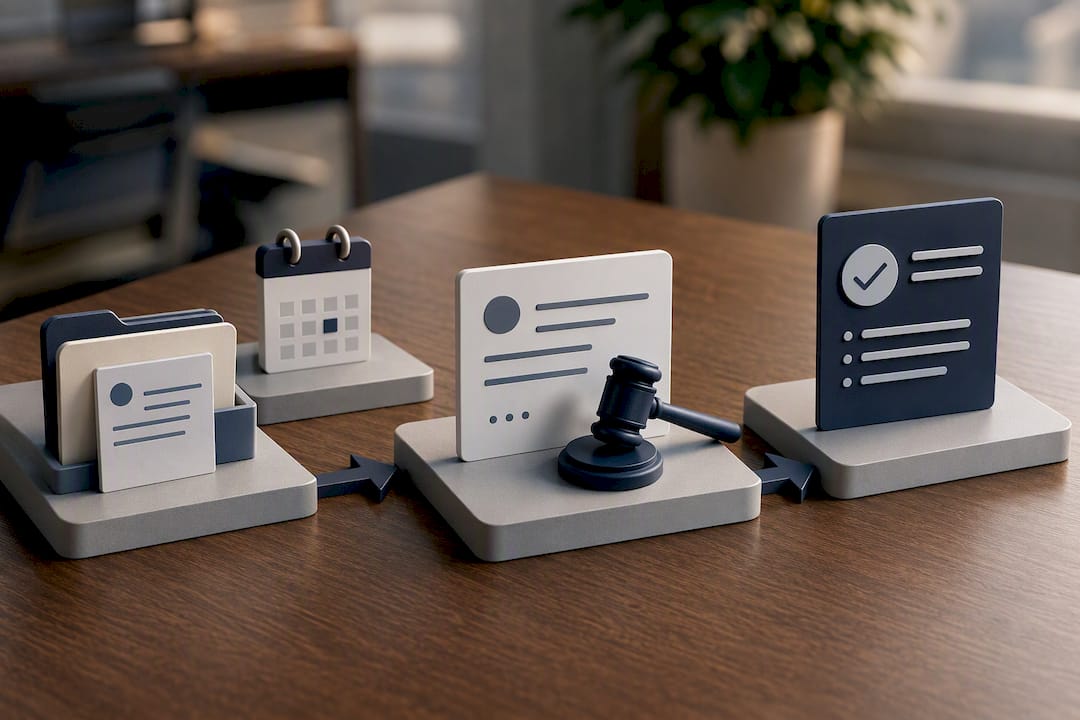
Consider three quick scenarios: a claim filed six weeks ago showing only "date of filing" is likely in standard initial review. A claim showing a scheduled hearing date has already cleared reconsideration and moved into the appeals track, which typically takes longer. A claim showing a decision field with a result means SSA has finished its review, for better or worse.
What Do I Do if I Can't Access My Account or Finish My Application?
Access problems are common, and most have a specific fix rather than a generic one.
- Missing re-entry number: If you started an online application but didn't finish it, sign back in to your my Social Security account to retrieve your saved re-entry number rather than starting over.
- Login.gov or ID.me verification fails: Double-check that the name and address you entered match your ID exactly, and try uploading a clearer photo of your document. If verification keeps failing, SSA allows identity confirmation in person at a field office.
- Recently submitted documents aren't showing up: Electronic Records Express (ERE) can track recent submissions using your tracking number, RQID, or Social Security number. ERE only covers a 180 day window, so it's built for tracking what you sent recently, not for checking your overall claim status.
When Should I Contact a Disability Attorney?
Certain moments in the process are natural triggers for getting legal help rather than continuing to check status alone.
- You received a denial letter and need to appeal.
- Your claim has sat with no movement well past the typical processing window.
- A hearing has been scheduled and you haven't prepared.
- SSA disputes your medical evidence or the onset date of your disability.
Before contacting an attorney, gather your current status screen, filing date, claim ID or re-entry number, confirmation number, and a list of recent medical treatment. Reviewing common signs you need a disability attorney can help you decide if now is the right moment.
Pro Tip: Print or screenshot your status page before you call an attorney's intake line. It saves time and lets them assess your case faster.
Organizing Your Claim Tracking
Most delays and confusion around SSDI status come from disorganization, not bad luck. Save every filing confirmation and screenshot the moment you get it, keep a single folder (digital or paper) for all SSA communications, and check your account on a fixed schedule rather than reactively. These habits won't speed up SSA's internal review, but they put you in control of your own record when questions come up.
— Gerard
Get Matched With an SSDI Attorney Through SSDILawyer.co
There are services available that can help you avoid guessing through a denial or confusing hearing notice alone by connecting you with attorneys experienced in SSDI applications, denials, appeals, and hearings.
This kind of help tends to matter most in three moments: right after a denial letter arrives, in the weeks before a scheduled hearing, and any time the paperwork itself becomes the obstacle rather than your medical case. Before you start an intake conversation, pull together your current status screen, your filing date, your confirmation number, and a short list of your recent medical records. Attorneys use those details to size up your case quickly instead of starting from zero. If your SSDI status has stalled, been denied, or is heading toward a hearing, visit Ssdilawyer to get matched with an attorney who can review your situation and outline next steps.
Where to Verify These Steps Directly With SSA
For the most current instructions, use SSA's Online Services page for account setup and my Social Security sign-in, and consult SSA's appeals process guide if your claim is under review.
This article is general information, not a substitute for advice from a qualified financial advisor. Consult a qualified financial professional about your own circumstances before acting on anything here.
Sources
FAQ
How Long Does SSDI Approval Typically Take?
Processing time varies by claim complexity and whether an appeal is involved, with many applicants seeing longer waits during the reconsideration or hearing stages than during initial review. A detailed breakdown of typical timelines is available in this SSDI processing time guide.
Can I Check SSDI Status Without a My Social Security Account?
Yes. Call SSA's automated phone system at 1-800-772-1213 (TTY 1-800-325-0778) and provide your confirmation number to hear your status without logging in online.
What if My Status Hasn't Changed in Months?
A status that hasn't updated in a long stretch can still be normal for claims sitting in early review, but if it continues past the typical processing window, contacting SSA directly or speaking with a disability attorney is a reasonable next step.
Why Don't I See a Hearing Date on My Status Page?
A hearing date only appears once SSA has actually scheduled one, so its absence usually means your case hasn't reached the hearing stage yet rather than signaling a problem.
Does SSDILawyer.co Help With Denied SSDI Claims?
Yes. SSDILawyer.co matches applicants, including those who've received a denial, with experienced SSDI attorneys who can assist with appeals and hearing preparation through Ssdilawyer.